tile-tec@youngac.cn
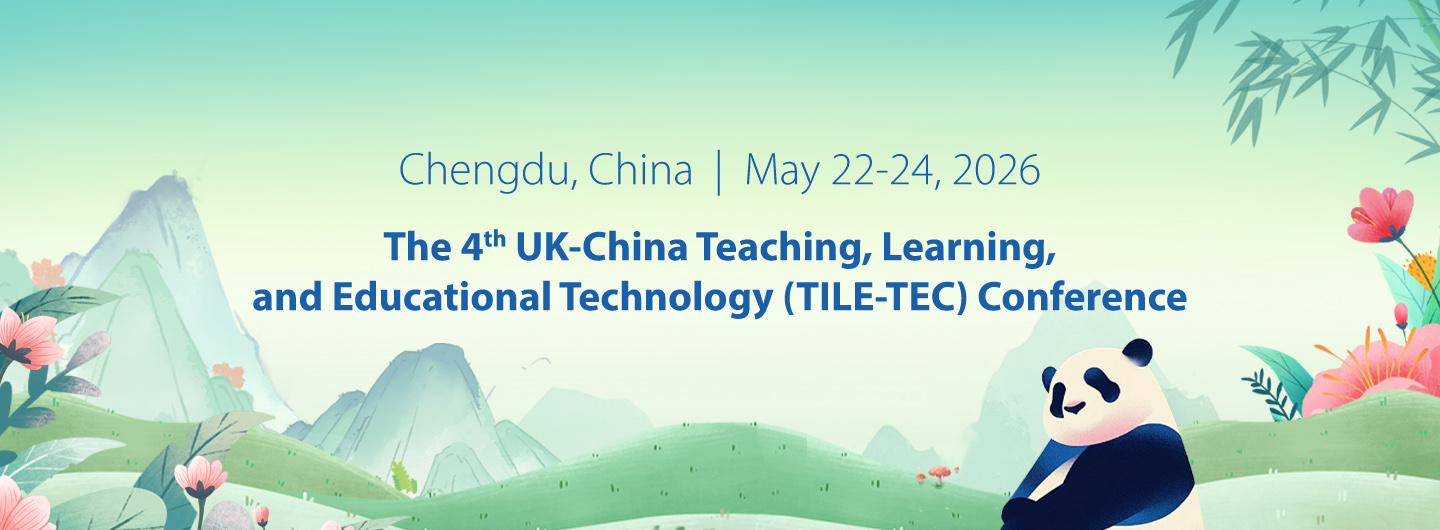
Chengdu, China
+86-19182240053


Conference Publication----IEEE Xplore
Accepted full papers will be invited for oral presentation or poster presentation, and will be included in the conference proceedings and submitted to IEEE Xplore if they meet publication requirements.
Accepted full papers that do not meet conference proceeding's requirements will be scheduled exclusively for oral or poster presentation without publication.
Conference Topics
- Innovative uses of GenAI to enhance instructional design, adaptive learning, content creation, and discipline-specific pedagogy.
- AI applications in formative and summative assessment, feedback automation, and addressing challenges related to plagiarism, authorship, and originality.
- Leveraging AI to improve student participation, personalise learning pathways, and support data-informed decision-making in education.
- Ethical frameworks, governance, data protection, algorithmic bias, transparency, and equitable access in AI-driven educational systems.
- Embedding sustainability principles, social responsibility, and human values into AI-enhanced engineering and higher education curricula.
- AI-supported approaches to academic advising, career planning, counselling, cross-cultural communication, leadership development, and lifelong learning.
- Faculty development, changing teaching roles, professional identity, and leadership in AI-enabled and digitally transformed learning environments.
- Preparing students for human-centric, AI-integrated workplaces through entrepreneurship, innovation, and future-ready skill development.
- Design and evaluation of flexible, immersive, and technology-enhanced learning environments, including virtual labs, simulations, and extended reality.
Important Dates
Paper Submission Deadline
Apr. 10, 2026
Workshops & Tutorials Proposal Submission Deadline
Apr. 20, 2026
Acceptance Notification
Author Registration
Final Manuscript (for full paper)
Final Revised Abstract and Slides
Final Revised Abstract and Slides
May 22-24, 2026
Conference Date
Sponsors
